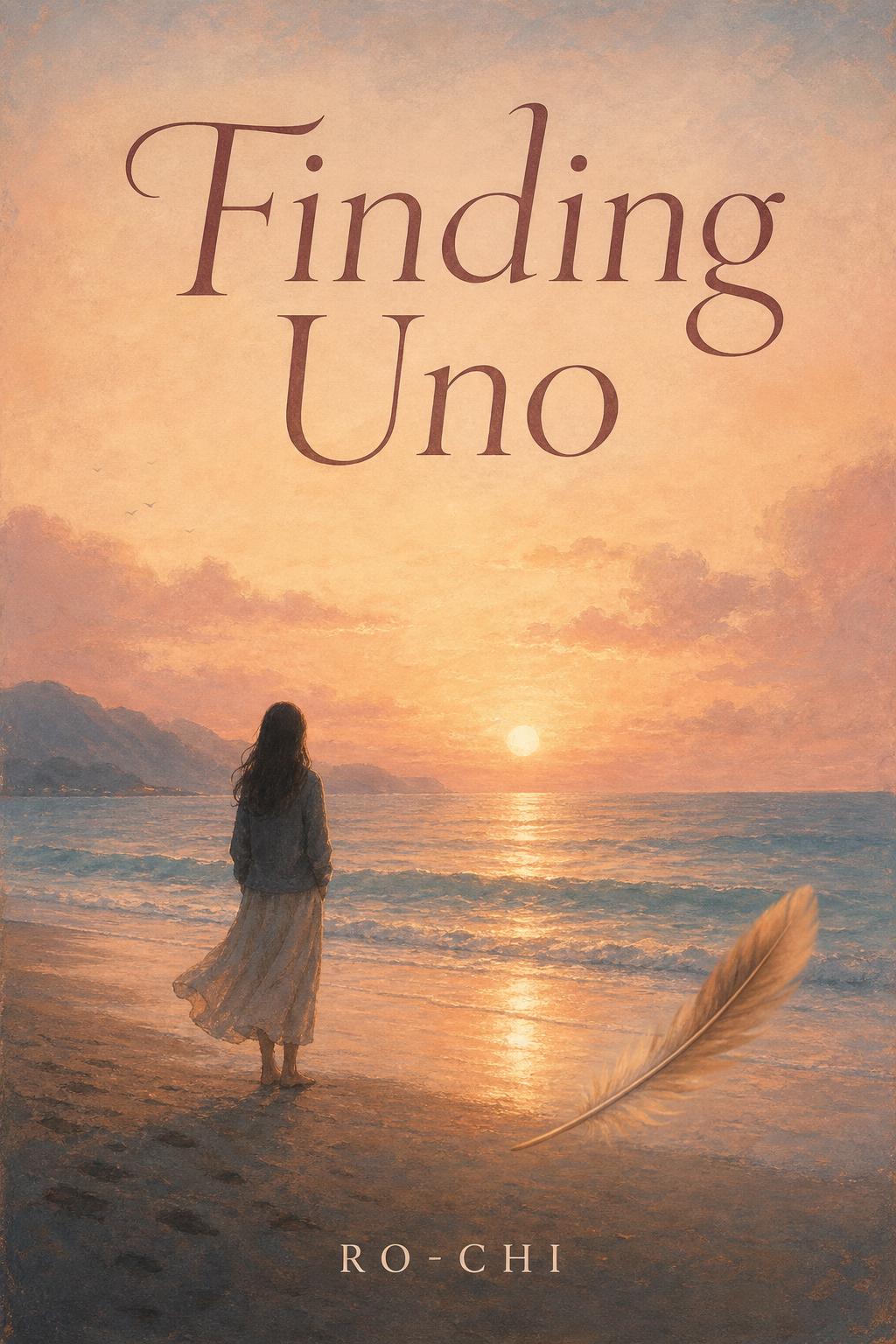
Chapter 2 — The Roots
When Molly arrived the kitchen smelled of garlic and tomatoes. Something simmered slowly in a pot while a big olive-skinned man hovered around the stove, tapping this and tasting that. When he spoke it was in a relaxed, open way. Molly thought maybe they’d known each other for a long time, but then she forgot about it. It was the same with Sosta’s mum.
“Whatcha got there?” said Sosta’s dad, eyeing the jar in Molly’s two hands.
Molly looked down, then held it out to him.
“Some of Bill’s pickles,” said Sosta’s mum with a knowing nod.
“He’s my Grandad,” said Molly.
Sosta’s dad did most of the talking, bubbling like a pot on the boil, going on about gardens and neighbours and fishing trips where everyone brought something, because no one had everything.
“Nothing’s wasted,” he said, chopping some carrots. He added the scraps to the compost. “It just changes form.”
“You don’t fight the season,” he added, getting a steam bath from a big pot of pasta. “You work with it.”
While they ate and talked, Molly couldn’t help noticing that Sosta and her parents all spoke about the world as if it were a living, breathing creature.
“We’re Ngunnawal,” Sosta’s mum said to Molly, motioning to herself and Sosta, “and all round here is Yuin country. That handsome fella next to you is Italian.” Sosta’s father nodded and grinned.
“Si,” he tried to say, but ended up spitting sauce on the table, making Molly and Sosta burst out laughing.
“This land was here long before any of us,” Sosta’s mum continued when the girls’ laughter had died down. “It was here long before your grandparents’ grandparents, and it will be here a long time after.”
“We don’t own it, do we mum,” Sosta chimed in.
“That’s right,” Sosta’s mum continued. “Nobody owns it. We belong to it.”
“Makes sense,” said Molly, struggling to get the last piece of penne on her fork.
At the table, meal finished, all four sat in a comfortable silence. Then Sosta looked over at her dad.
“Hey dad, why don’t you tell Molly about Uno?”
Sosta’s dad smiled and took a deep breath in and let it out theatrically. He looked at Molly.
“This,” he said, “is Uno.”
Molly looked round the table trying to work out what ’this’ was.
“It’s all Uno,” he said as her eyes darted about. “Uno just means one.”
Sosta’s dad motioned toward the table.
“One meal.”
He threw his arms out wide, past the open windows and doors to where the trees moved slowly in the evening wind.
“One world.”
Molly frowned.
Sosta walked Molly home in the dark.
“I don’t get it,” she said. “Are we related?” Sosta gave Molly a playful nudge.
“Kinda,” she said with a grin. “Don’t worry, it’s not the kind of thing you get all at once.”
They walked on to the sound of breaking waves and rustling leaves.
“We used to have this neighbour, Mr Costa,” said Sosta, “who’d always complain about mulberries making a mess in his yard. See, they used to hang over the fence, but he wouldn’t let us pick them on his side.”
Molly stopped and scrunched up her nose.
“That’s weird.”
Sosta nodded.
“That’s the opposite of Uno.”
“Dad says it’s what happens when people start keeping score,” said Sosta. “Like they forget they’re part of something bigger.”
Molly stopped when she saw the light from her Grandad’s place.
“What happened to Mr Costa?” she asked.
“Dad whacked him with the shovel and buried him in the back yard,” said Sosta, laughing and starting to run. “C’mon, I’ll race ya.”
“Hey, not fair!” yelled Molly, laughing and giving chase.
Above them the night sky watched on as Molly and Sosta streaked and swerved across the sand, shouting and whooping and forgetting it all, just for a while.
* * *
Back at Grandad’s, the fire had burnt down to coals. Molly flopped into the big armchair, still catching her breath.
“Sosta’s dad told us about Uno,” she said. “It means one. Everything’s one thing. One meal, one family, one world.”
Grandad nodded slowly and gave the coals a poke.
“Sounds about right.”
“Do you know about it?”
Grandad settled back in his chair and rubbed his chin, which is what he did instead of answering straight away.
“I know a story,” he said. “About one water.”
“Who told you?”
“Someone who was told by someone.” He shrugged. “That’s how it works with the old ones. Now. Are you listening?”
Molly pulled her knees up under her and nodded.
“In a village where the river met the sea,” Grandad began, “there lived an old mapmaker and his granddaughter, Nin.
“The mapmaker’s maps were famous up and down the coast, because he only ever drew what he’d seen with his own eyes. If he hadn’t stood on a hill, the hill wasn’t on the map. It made his maps slow, and honest, and full of gaps.
“The biggest gap was at the bottom, where the river met the sea. The line just stopped, mid-stroke, like the pen had been called away for dinner.
“’A map must have edges,’ the merchants complained. ’Everything has to end somewhere, or how would anything else begin?’
“The mapmaker didn’t argue. But that evening he gave Nin a long white feather.
“’Go and find the place where the river stops being river and starts being sea,’ he said. ’Leave the feather on it. I’ll draw the rest.’”
“A feather?” said Molly. “Wouldn’t it just blow away?”
“That,” said Grandad, “is exactly what Nin thought. But she put it in her pocket anyway, because it seemed a simple enough job. Everything she knew came in twos, see. Land and water. Day and night. Us and them. She figured the river and the sea kept to the same arrangement.”
“So did she find it?”
Grandad leaned forward, groaned pleasantly, and stood up out of his chair.
“That’s enough for one night.”
“You can’t stop there!”
“A story like this keeps,” he said, ruffling her hair on his way past. “Bed.”